OBJECT RECORD
把细节,慢慢看清。
- 馆方原名
- Bowl
- 年代
- 1000年代
- 文化 / 来源
- Fatimid 埃及,Fustat
- 材料与工艺
- earthenware with luster-painted design
- 尺寸
- Diameter: 12 cm (4 3/4 in.); Overall: 4.6 cm (1 13/16 in.)
- 收藏机构
- 克利夫兰艺术博物馆
- 馆藏编号
- 1915.642
FROM THE MUSEUM
馆方怎样介绍它
以下为克利夫兰艺术博物馆英文原文,保留其原始表述。
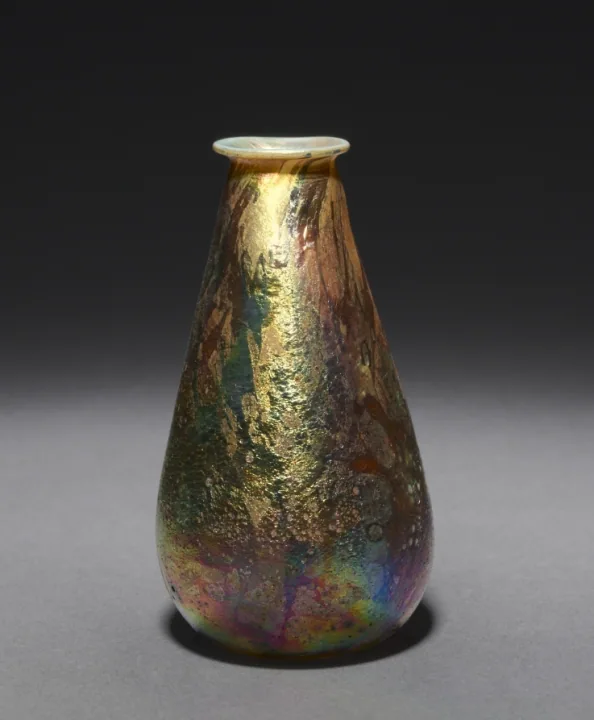
Lusterware
The theme of light is a dominant element in Islamic art. In ceramics, works made with a reflective metallic glaze, known as luster, were prized throughout the Islamic world and beyond. Developed first in Basra, Iraq, during the 700s with the rise of Islam along with sumptuary laws prohibiting the use of precious metal vessels, lusterware techniques soon spread to different regional centers, notably Málaga and Valencia in Spain.
Lusterware ceramics were created through a double-firing process: the first firing of the vessel with a lead and tin oxide glaze produced the smooth white ground, meant to emulate Chinese porcelain. Patterns were then painted on the white vessel with a glaze of copper and other metal oxides. Refiring at a low temperature yielded an iridescent luster. Tonalities varied from one region to another.
THE VISITOR BOOK
看完了,留一点好奇。
正在打开留言簿…