Everyday wonders · 16th–19th century
Why were this leopard’s nostrils pierced?
What were people doing when water poured from this leopard’s nostrils?
Curious? Reveal the story
The reveal
Leopard-shaped handwashing vessel
This is a handwashing vessel. Water enters through a small opening with a lid on the head, leaves through pierced nostrils, and the arched tail forms a handle. The museum links vessels of this type with ceremonies in which the king of Benin commemorates his paternal ancestors.
Three features explain the container
At a distance the open mouth, long tail, and sturdy legs suggest an animal sculpture. The small lid on the head is for filling, the nostrils are outlets, and the tail arching over the back serves as a handle. Once these are recognized, different parts of the animal also become different parts of a working vessel.
Handwashing in a court ceremony
The Met explains that during Ugie Erha Oba, a ceremony honoring paternal ancestors, the king of Benin washed his hands with water poured from vessels of this kind after dressing. That describes a category of object and its court context, not a documented record of every use of this particular example. A familiar action could carry a specific ceremonial order and significance.
Benin in present-day Nigeria
Benin here is the historical kingdom in what is now Nigeria, not the modern Republic of Benin. The museum attributes the work to artists of the local brass-casting guild and identifies its material as brass. Its broad sixteenth- to nineteenth-century date range should remain broad: the cultural and craft context is recorded, but the public record does not settle an exact year.
Related forms, different settings
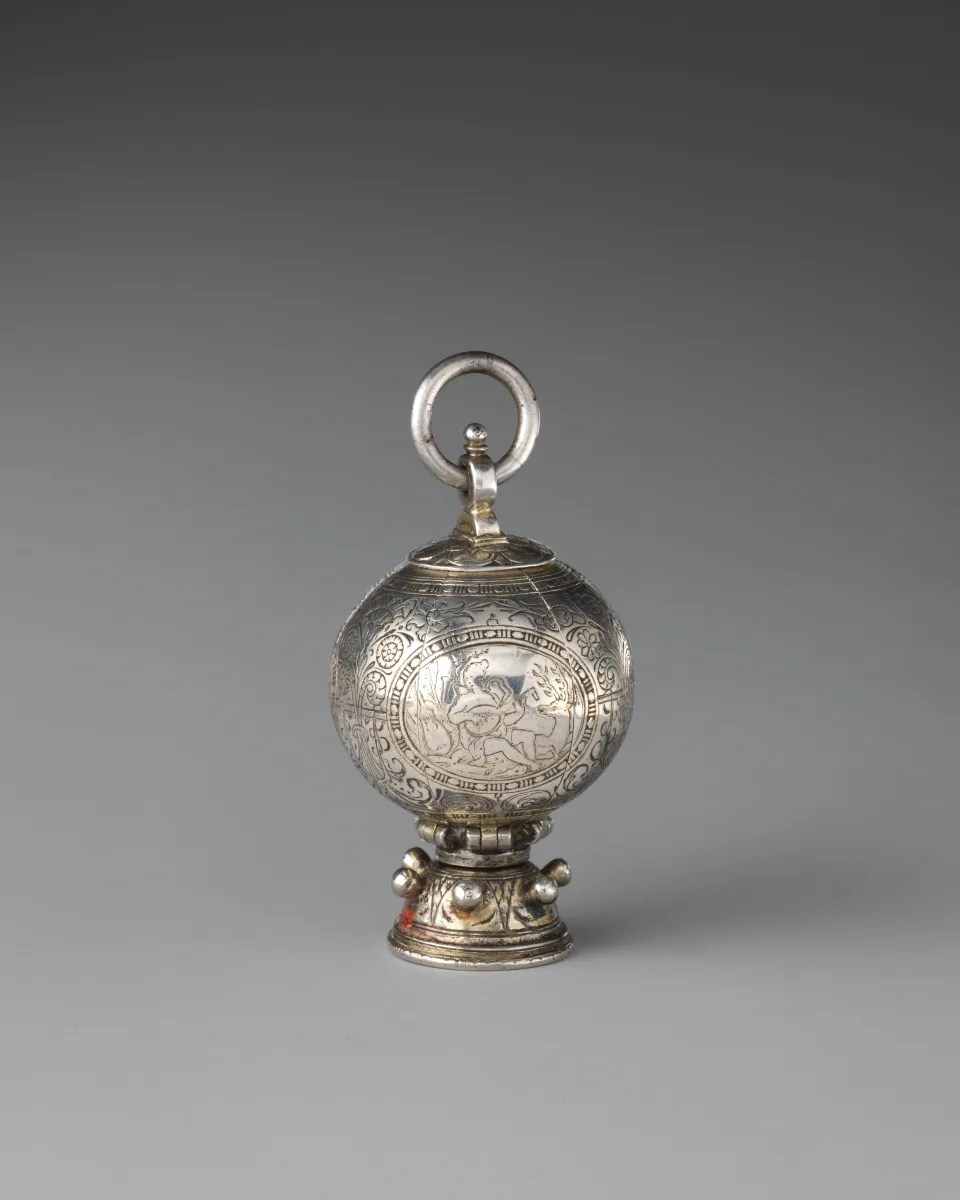
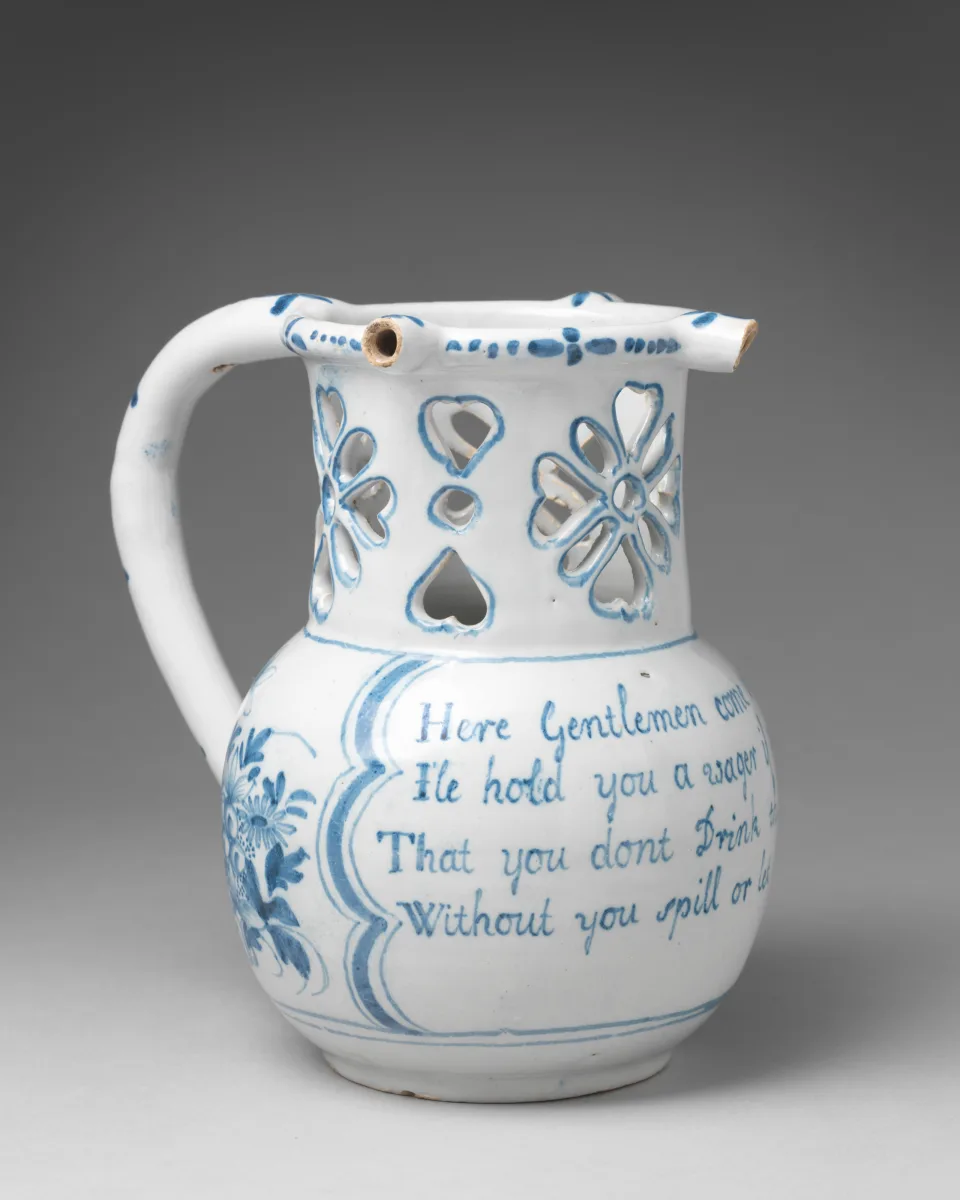
The museum proposes possible influence from European animal-shaped handwashing vessels. That possibility should not overshadow the decisions of local makers: the leopard, curled tail, and royal ceremonial context form this particular design. Compare it with the rooster-shaped vessel in another cabinet. The same act of pouring water could take remarkably different forms.
Follow the source
The Metropolitan Museum of Art · Gift of Mr. and Mrs. Klaus G. Perls, 1991 · 1991.17.53 · Public domain
This is an independently edited story based on the original museum record.
View the museum record Image reuse policyTHE VISITOR BOOK
What caught your eye?
Opening the visitor book…